Blog

Video: A Moving Landscape

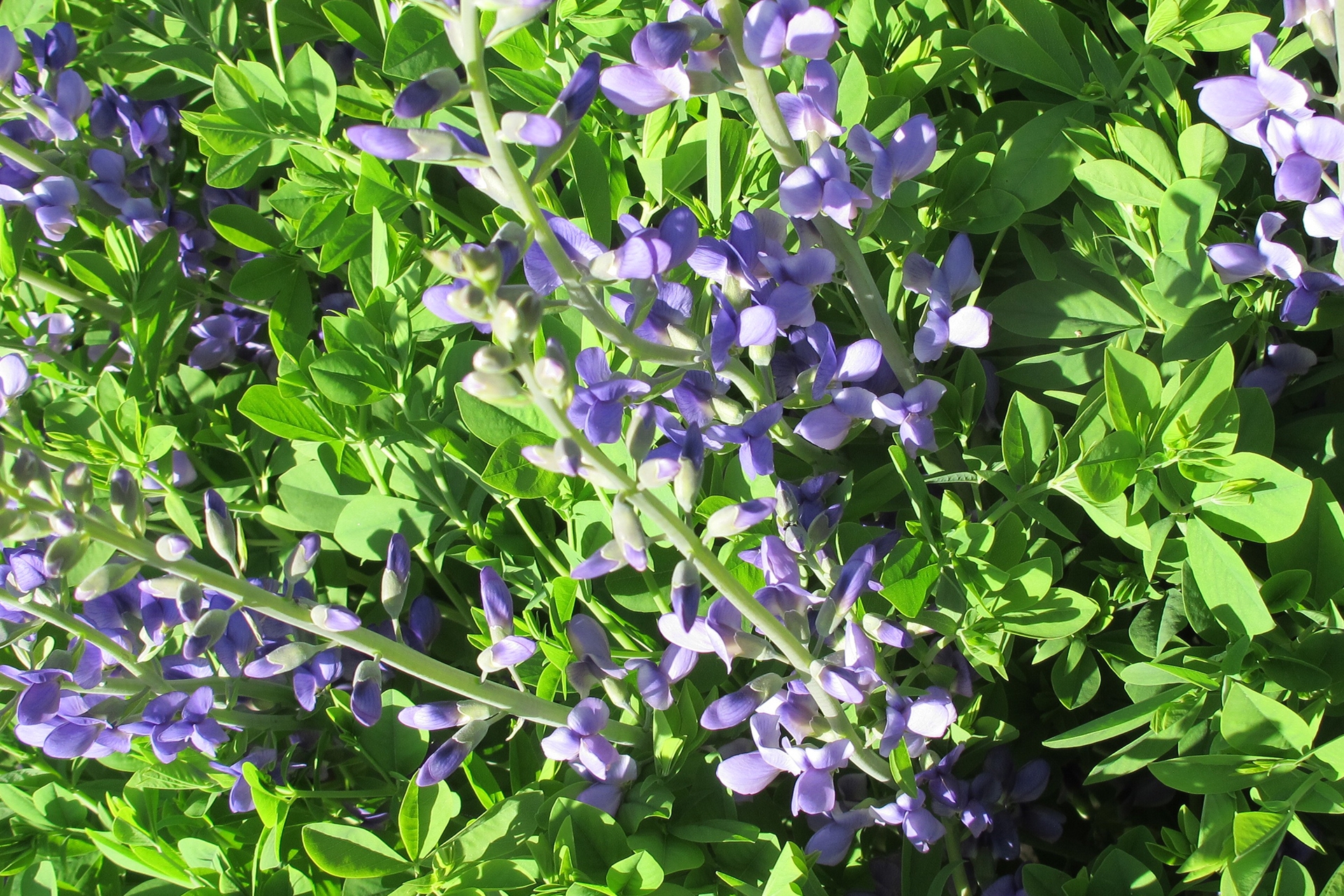
Something I love about many of our native plant species is their ability to go with the flow… of the wind. They move as the wind moves through them. Not only do they move, they also make noise. In the case of Baptisia australis (Blue Wild Indigo), its dry and blackened seed pods actually rattle...
Continue Reading

Oaks for Lepidoptera Species

Have some space in your landscape and want to attract more lepidoptera (butterfly and moth) species? Some big trees that are starting to show off their fall colors (a little after many other trees have already dropped their leaves) are the oaks (Quercus spp.) The benefit of some oaks’ fall color aside, you are left...
Continue Reading

Take a Trip to Bellefontaine Cemetery

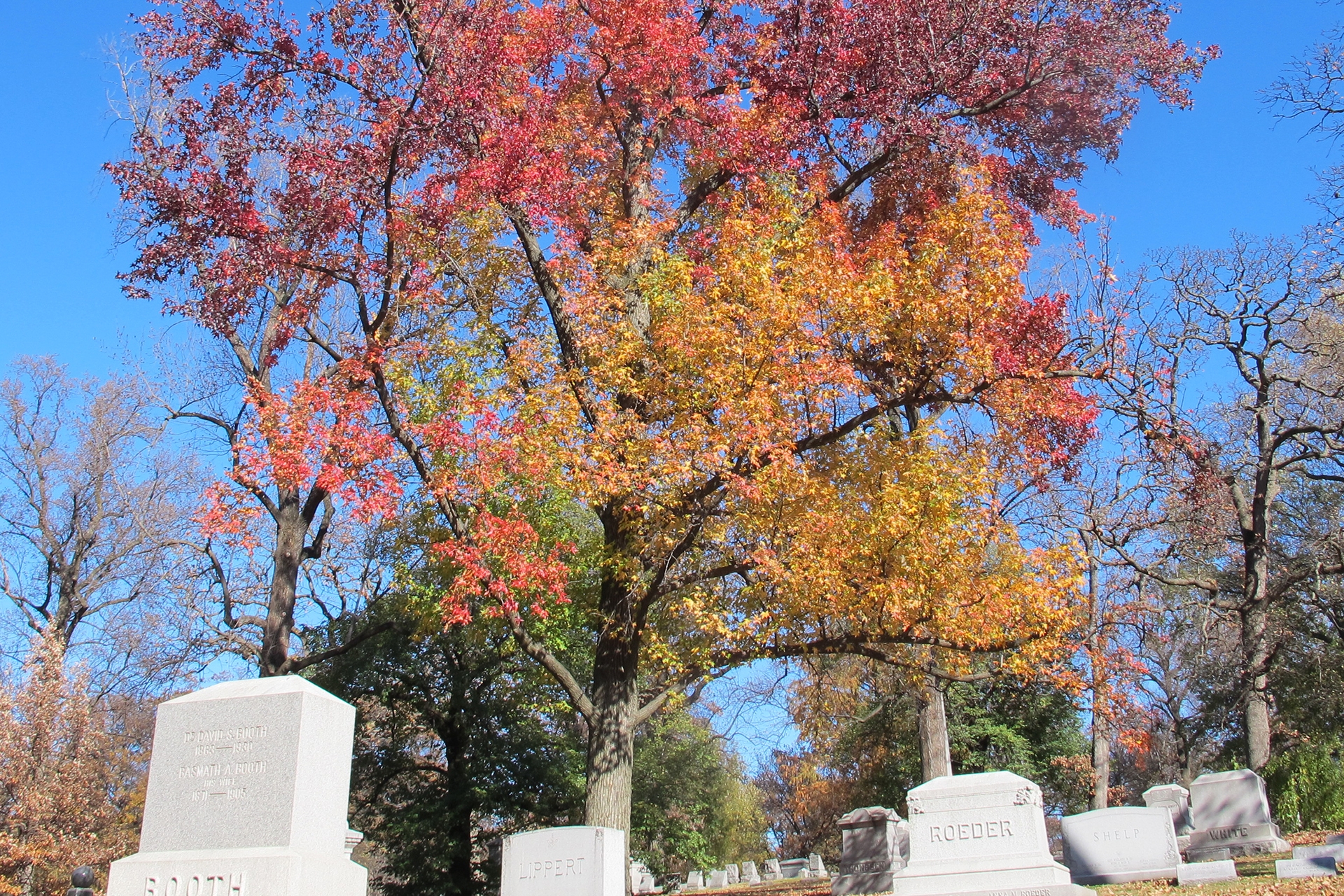
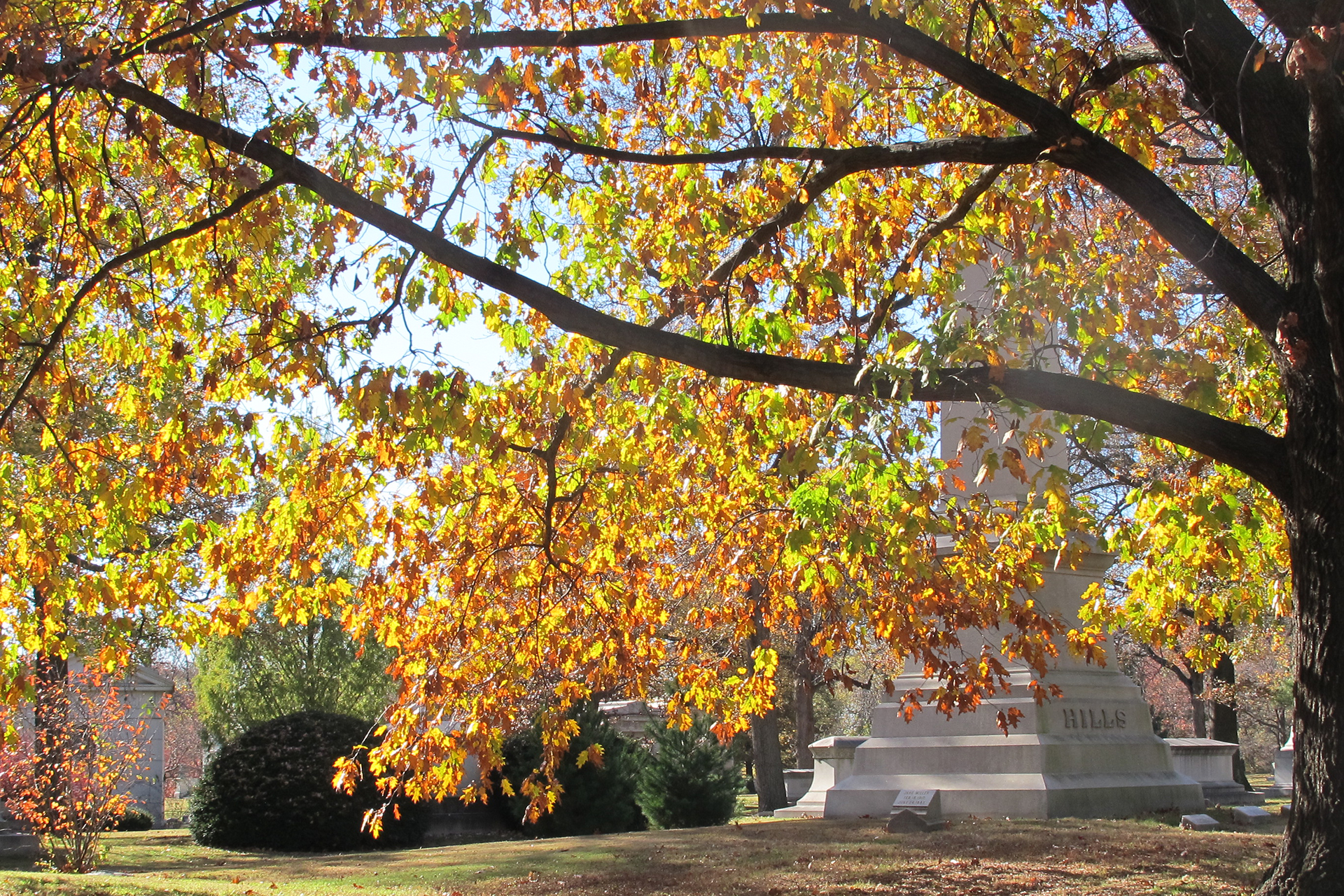
While we are a little further north than its native range (which extends into Southeast Missouri), I thought it worthwhile to highlight the Sweet Gum tree. Many of the Sweet Gum trees are reaching their peak in fall color. It’s worth the trip to places like Bellefontaine Cemetery if you have a chance to get...
Continue Reading

Link: Important Things to Consider in the Fight to Help Monarchs

Click here to read this informative blog post by the St. Louis Wild Ones for helpful things to consider in our fight to help Monarch populations.
Continue Reading

Goldenrod (Solidago spp.) and Thread-Waisted Wasp (Ammophila spp.)

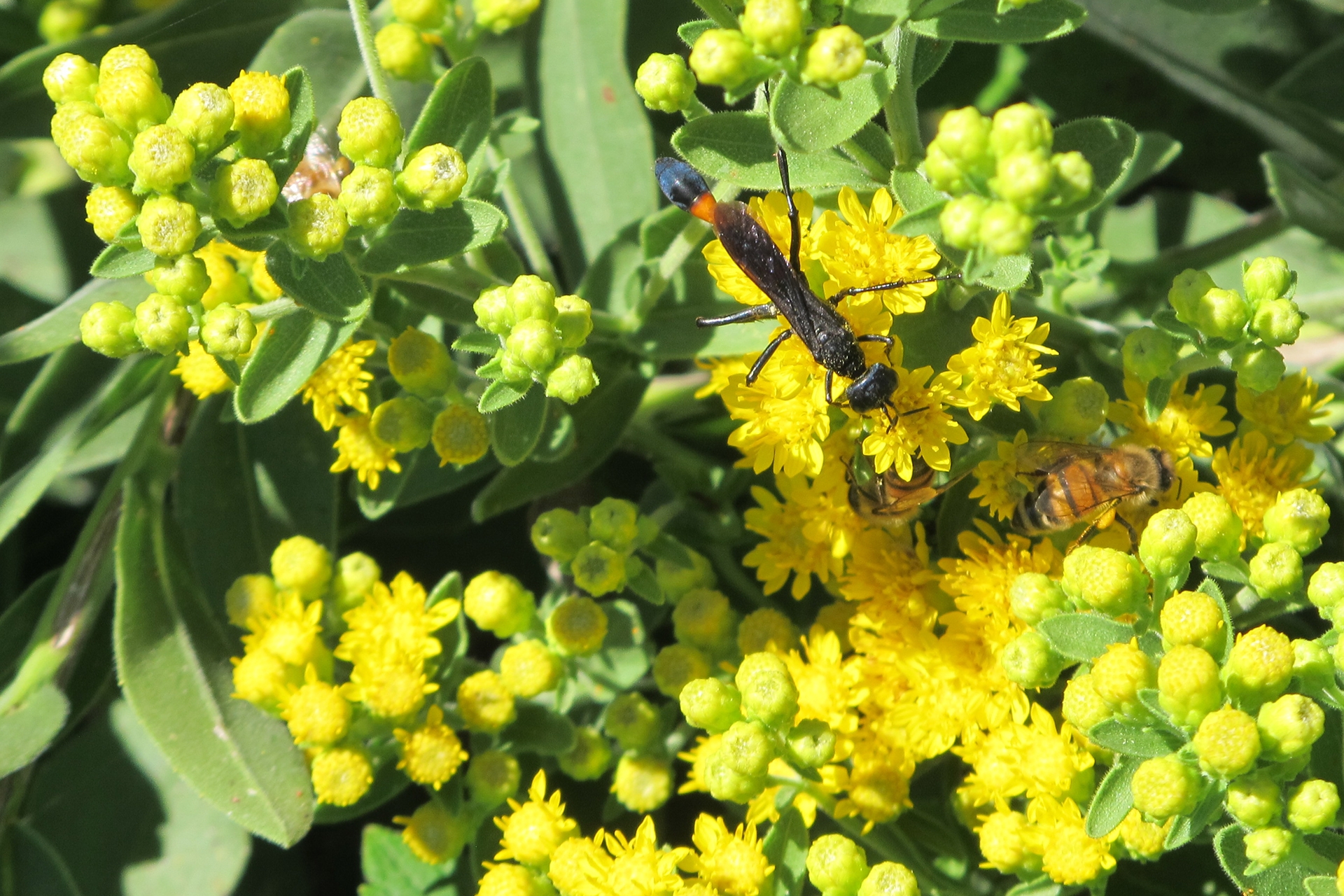
As far as late-summer-to-fall blooming plants go, many Goldenrod species are a good choice for adding color to the landscape and food for pollinators later in the growing season. A few good species for the sunny, dry spaces include Showy Goldenrod, Rigid Goldenrod, and Cliff Goldenrod. Cliff and Showy Goldenrods can take some shade as...
Continue Reading

Link: Plants and Treehoppers

Read a nice article by NPR on plants and treehoppers here.
Continue Reading

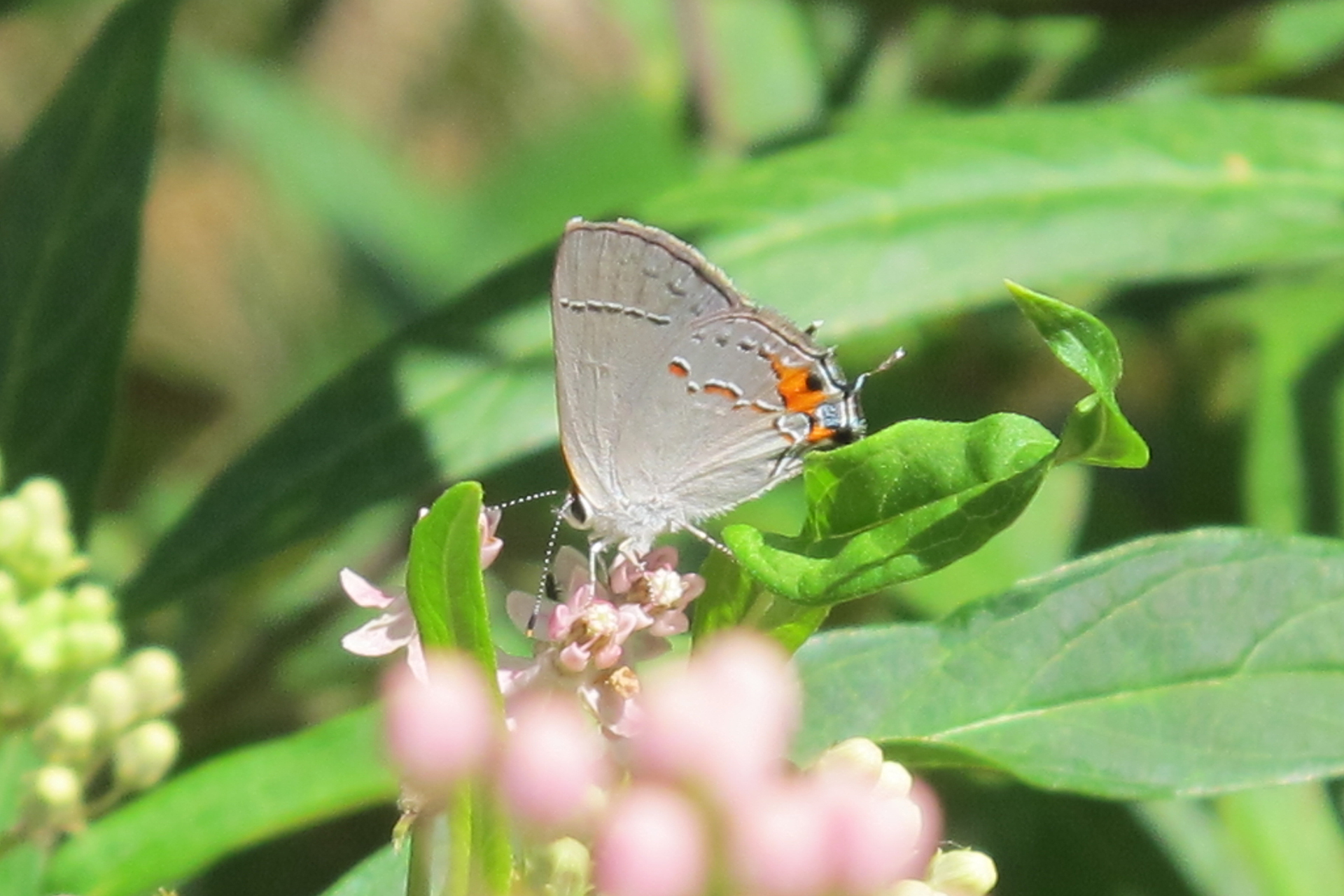
Swamp Milkweed, the Pollinator Seducer!

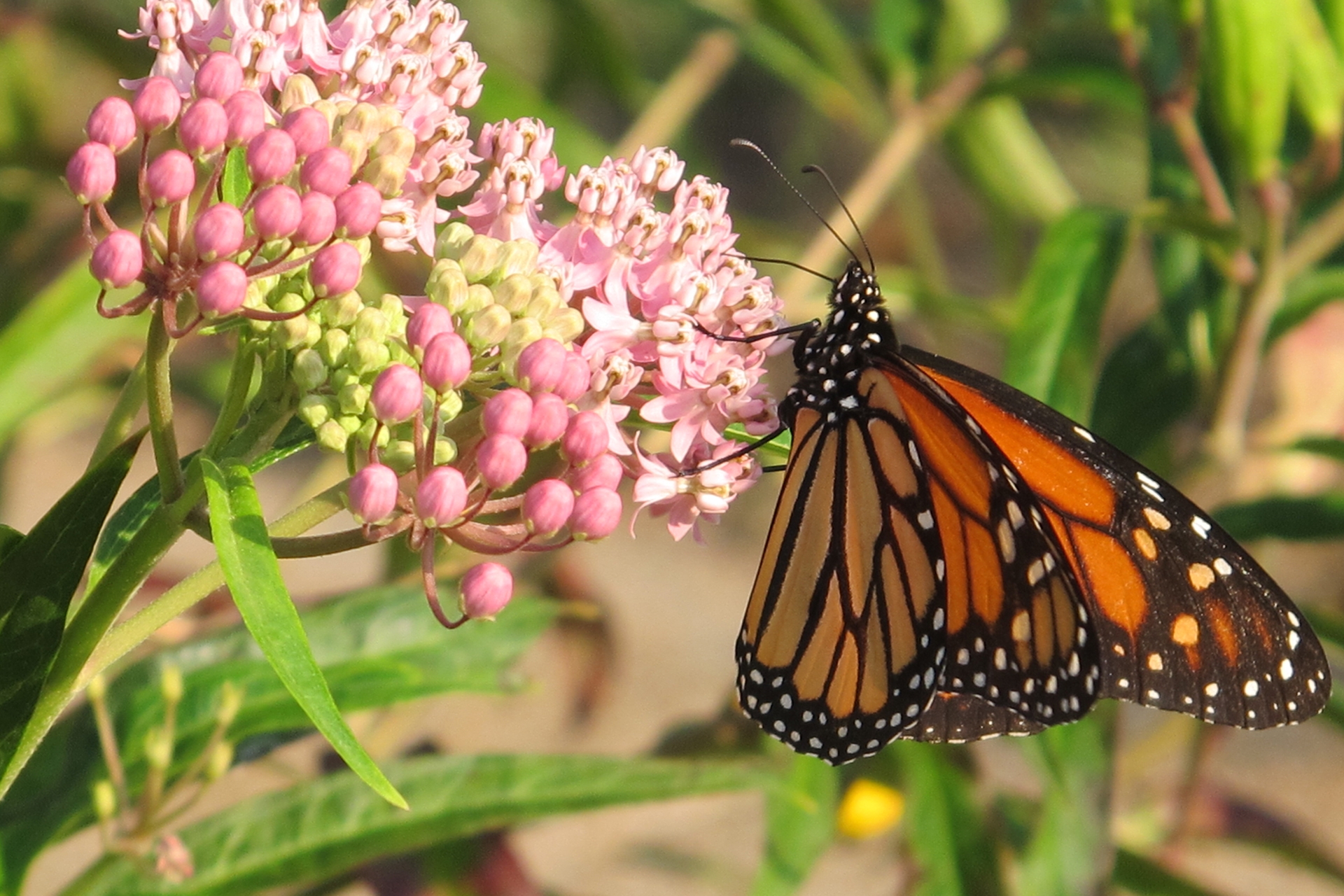
There is much talk about getting more milkweed plants in our landscapes to support the monarch population. But milkweed supports and offers much to other pollinators as well. In this post, I am highlighting the Swamp or Marsh Milkweed plant (Asclepias incarnata). Don’t get me wrong. Adult monarchs are all about this plant and have...
Continue Reading

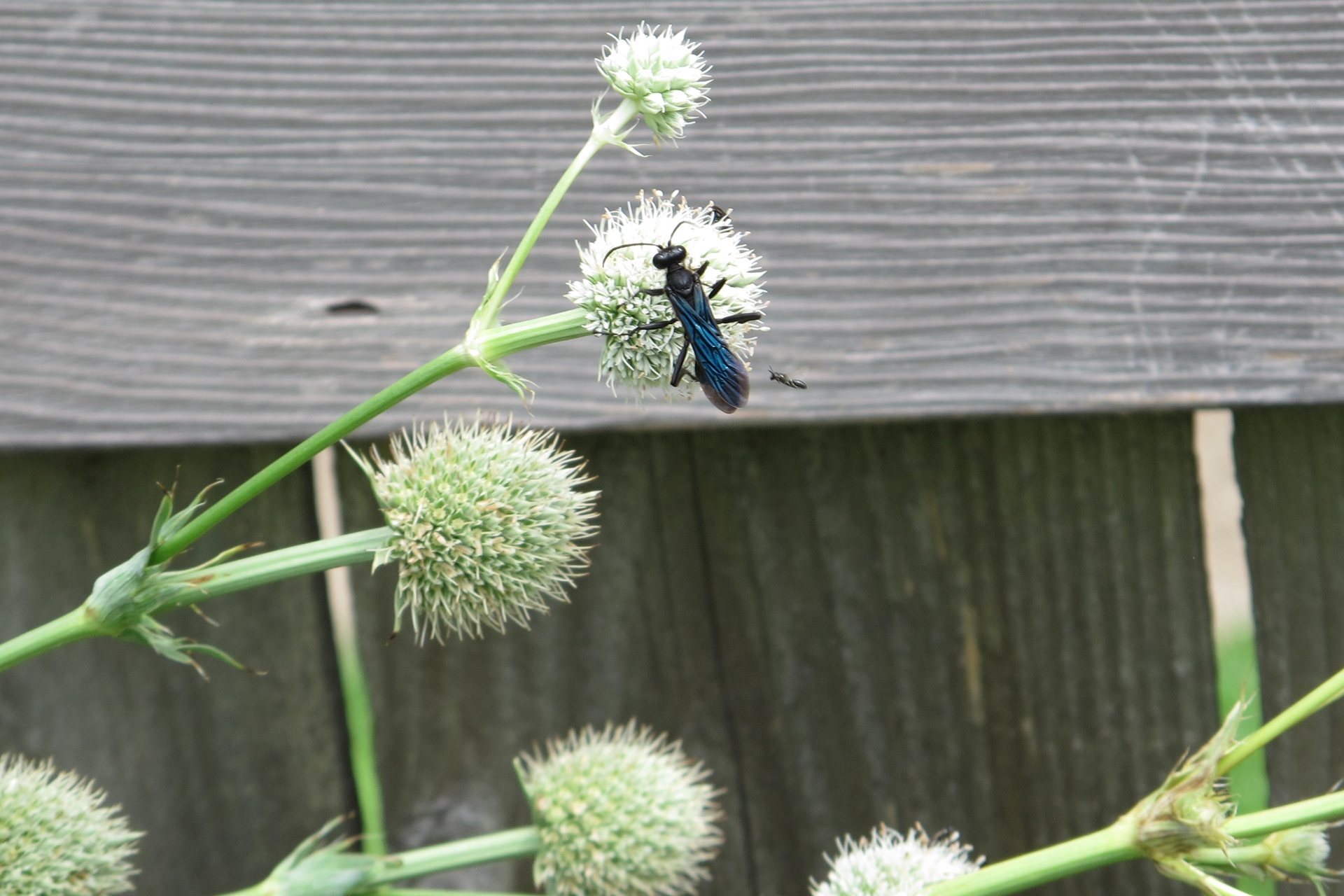
Great Black Wasp & Rattlesnake Master

Wasps really have a putrid reputation, many unjustifiably so. This Great Black Wasp (Sphex pensylvanicus) is one that, no doubt, can appear frightening just in its size alone at a length of 1+ inches. But these are not like the Yellow Jackets that have sent many of us running with arms flailing. These wasps are...
Continue Reading

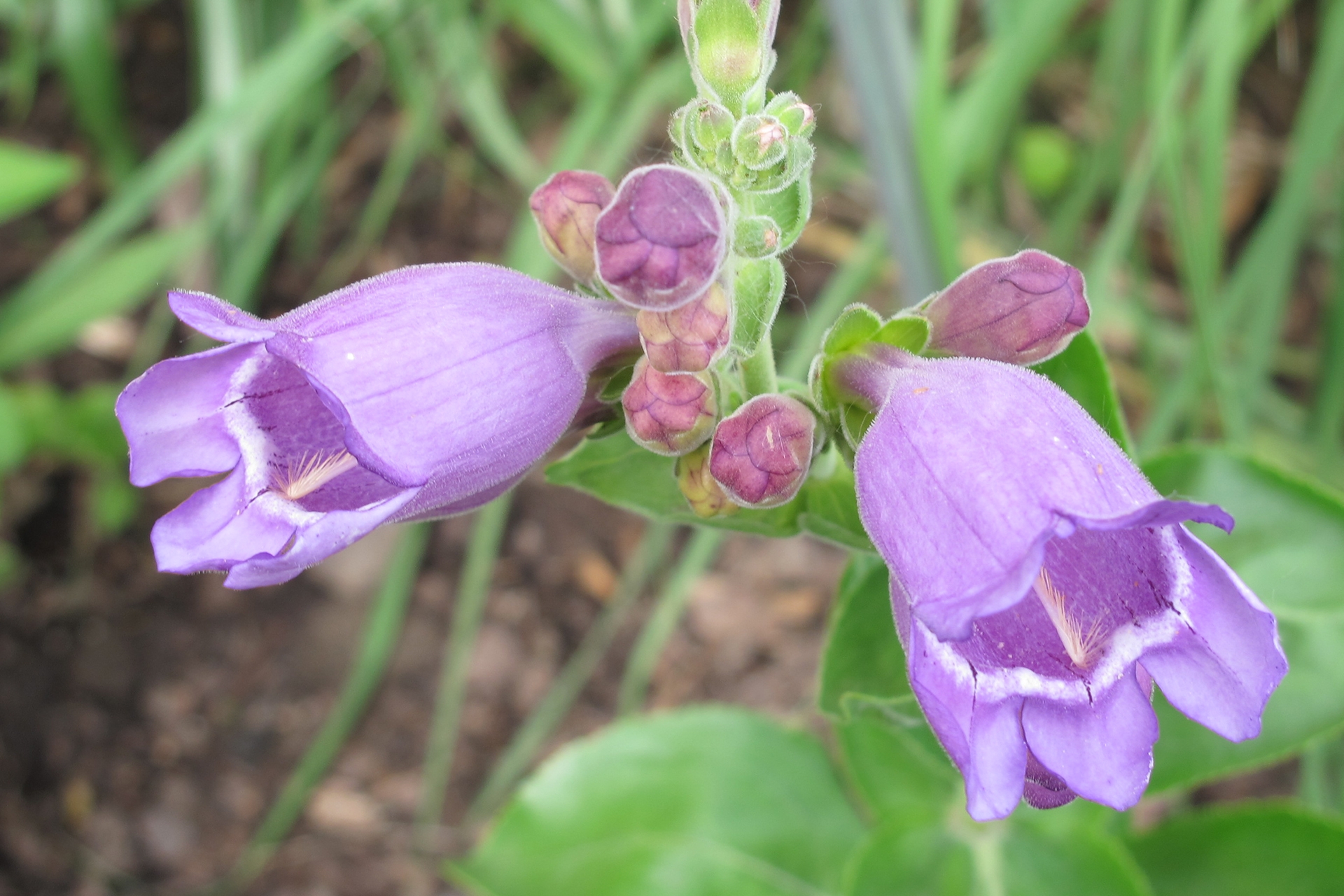
Beard Tongues

Currently in bloom: the Purple Beard Tongue and Prairie Beard Tongue, (Penstemon cobaea and Penstemon tubaeflorus.) These flowers have four fertile stamens and one sterile stamen. They are commonly referred to as “Beard Tongue” because of the one sterile stamen having a tuft of small hairs. These are clump-forming plants with spikes of flowers that...
Continue Reading
1 2 3 4 5